
The Evolving German Landscape Post-GlüStV
Since the full implementation of the GlüStV treaty in July 2021 and the establishment of the GGL (Gemeinsame Glücksspielbehörde der Länder) in January 2023, the German sports betting market has undergone a significant transformation. This regulatory framework has brought much-needed clarity and consumer protection, fostering a more secure environment for licensed operators and bettors alike. Operators have adapted to stringent licensing requirements, which include robust responsible gambling measures and compliance with advertising restrictions. The broader regulatory pressures, including tax considerations for various verticals like the BRST slot tax for virtual slots, have prompted a strategic re-evaluation for many market participants, indirectly shaping their overall investment and product strategies for all offerings, including sports betting.
This structured environment has not stifled growth; in fact, the market has seen robust expansion. Total sports betting turnover in Germany reached approximately €13.5 billion in 2025, representing a 12% increase from the previous year. The GGL's transparent oversight has boosted consumer confidence, with more bettors opting for licensed platforms that adhere to strict player safety protocols. This shift towards regulated play ensures a safer and more accountable betting experience for millions of German enthusiasts, distinguishing it sharply from the grey market of previous years.
Bundesliga Dominance and Emerging Trends
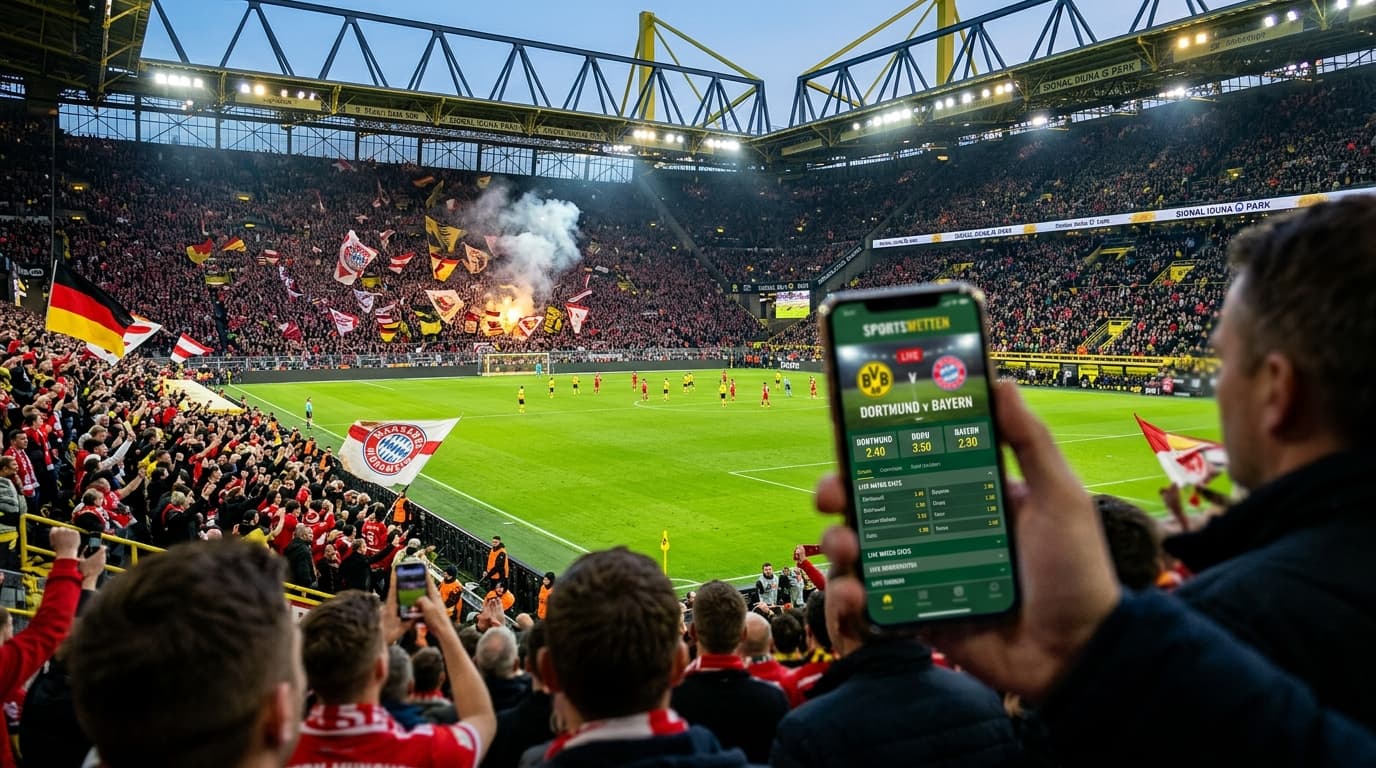
The Bundesliga remains the undeniable titan of German sports betting, consistently driving the highest betting volumes week after week. Major clubs like Bayern Munich and Borussia Dortmund attract the lion's share of wagers, with individual matchday turnover for top fixtures often exceeding €50 million. Beyond traditional match outcome bets, there's a growing appetite for sophisticated player-specific propositions, such as 'first goalscorer' or 'number of shots on target.' In-play betting, fueled by rapid data streams and dynamic odds, now accounts for over 60% of all football wagers, reflecting a desire for immediate engagement.
A notable trend emerging in 2026 is the surge in accumulator and parlay bets, where bettors combine multiple selections for potentially larger payouts. Operators are enhancing their platforms with advanced statistical tools and AI-driven insights to assist players in constructing these complex wagers. The proliferation of mobile betting apps, now accounting for over 75% of all bets placed, further facilitates this trend, offering seamless access to real-time data and swift bet placement. This digital evolution is creating a more interactive and personalized betting journey for fans across Germany.
European Competitions and Future Outlook
While the Bundesliga dominates domestically, European club competitions like the UEFA Champions League and Europa League provide significant betting spikes throughout the season. Peak betting activity is consistently observed during the high-stakes knockout stages, especially when German clubs advance deep into the tournaments. For instance, strong performances by Bayer Leverkusen and RB Leipzig in the 2025/2026 Champions League drew unprecedented betting interest, with matchday turnovers sometimes rivaling even major Bundesliga derbies. These continental clashes offer broader international appeal and diverse betting markets, captivating a wider audience.
Looking ahead, the German sports betting market is poised for continued innovation and growth, with an emphasis on responsible gambling technology. Operators are investing heavily in AI-powered tools for early detection of problem gambling behaviors and offering more personalized limit-setting options. The upcoming 2028 European Championship and 2030 FIFA World Cup cycles are expected to ignite further betting fervor, pushing turnover figures to new heights. Continued refinement of the GlüStV and GGL's regulatory approach will be crucial in balancing market expansion with robust consumer protection in this dynamic sector.