
Record Revenue Growth Under GlüStV's Guidance
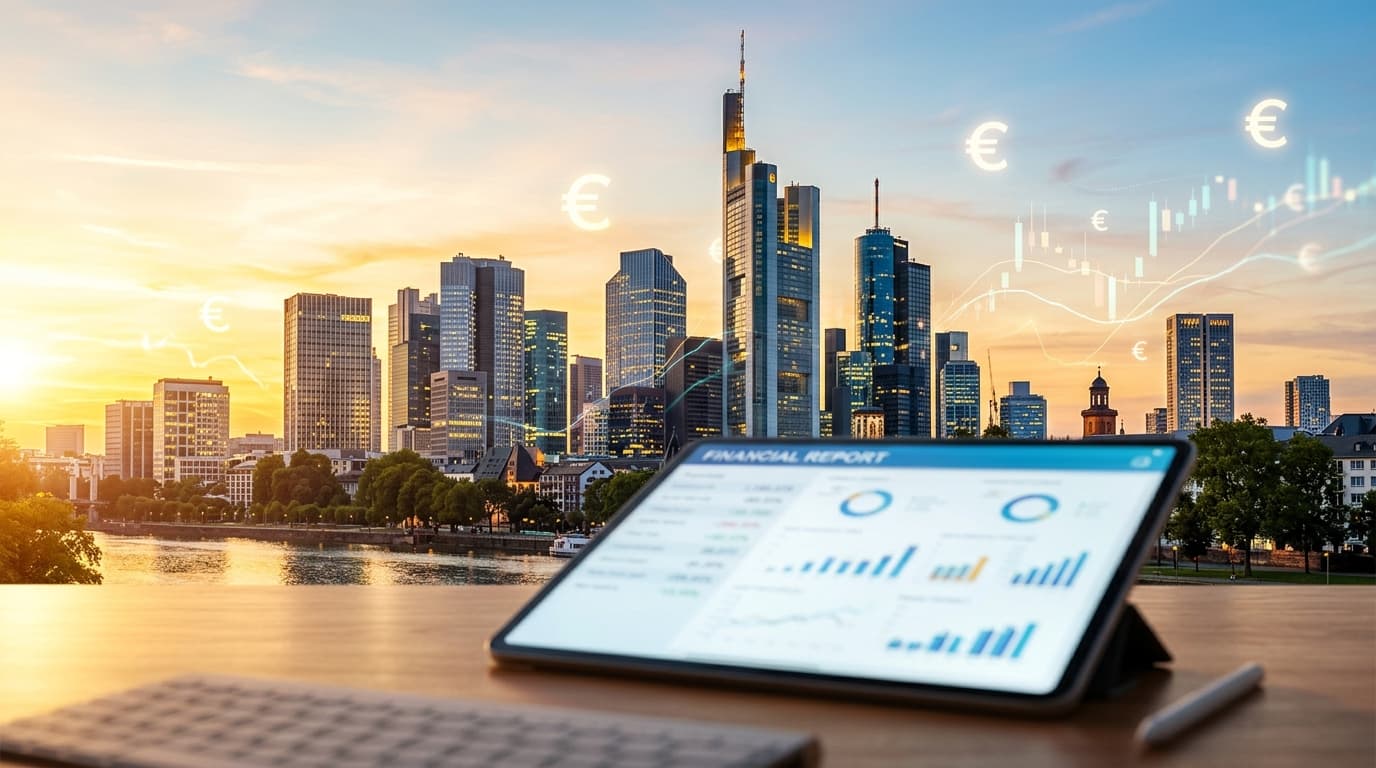
The German online gambling market demonstrated exceptional resilience and growth in the final quarter of 2025, with official figures released by the Glücksspielbehörde (GGL) indicating a gross gaming revenue (GGR) surpassing €1.2 billion for the quarter. This robust performance marks a significant increase of approximately 18% compared to the same period in 2024, signaling a mature and increasingly compliant market. The consistent implementation of the GlüStV treaty, now firmly established, has been instrumental in channeling players towards licensed operators. This comprehensive regulatory framework has fostered a more secure and transparent environment, attracting both domestic and international investors looking to capitalize on Germany's substantial player base.
For the full year 2025, the total German iGaming GGR is estimated to have exceeded €4.5 billion, a testament to the sector's burgeoning potential despite stringent regulations. While online slots remain the dominant vertical, contributing over 70% of the total revenue, other regulated offerings like online poker and virtual sports betting also saw modest gains. Early indications for Q1 2026 suggest this positive trajectory will continue, with preliminary data pointing to sustained player engagement and operator expansion. This growth is a clear indicator that the regulated market is successfully competing with the black market, drawing users into the legal ecosystem.
Intensified Competition and Operator Strategies
The intensified competition within the German iGaming landscape is a defining characteristic of the post-GlüStV era, with numerous licensed operators vying for market share. Established European giants, alongside nimble domestic challengers, are deploying sophisticated marketing strategies and enhancing user experience to stand out. Innovation in game content, alongside robust customer support and responsible gaming tools, has become paramount for retaining players. Operators are increasingly focusing on localized content and payment methods, understanding the unique nuances of the German player base and catering to their specific preferences.
Strict advertising regulations enforced by the GGL, coupled with enhanced responsible gaming measures, necessitate a careful approach to market penetration. Operators are investing heavily in compliance teams and advanced AI tools to monitor player behaviour, ensuring adherence to deposit limits and self-exclusion protocols. This commitment to player protection is not just a regulatory burden but is increasingly seen as a competitive advantage, building trust and loyalty among discerning German consumers. The market is maturing, and success now hinges on integrity as much as on innovative product offerings.
Challenges, Opportunities, and the BRST Slot Tax
Despite the impressive revenue figures, the German iGaming market is not without its challenges for operators. High compliance costs, stemming from the detailed regulatory requirements of the GlüStV, continue to put pressure on profit margins, especially for smaller entities entering the market. The ongoing battle against the unlicensed market also demands continuous vigilance and collaboration with the GGL to ensure fair play and consumer protection. Furthermore, the stringent player protection measures, while vital, require significant investment in technology and personnel, adding to operational overheads for all licensed platforms.
A notable factor impacting the profitability of online slot operators is the 5.3% Gross Gaming Revenue (GGR) tax, commonly known as the BRST slot tax, levied on stakes rather than revenue. This specific tax structure has drawn criticism from industry stakeholders for its potentially dampening effect on operator margins and the overall competitiveness of the regulated slot offering. While the market has absorbed this cost, discussions persist within industry associations about potential adjustments to foster a more equitable tax environment in the long term. Looking ahead, the German iGaming market remains a high-potential, albeit complex, landscape where strategic positioning and unwavering compliance will dictate future success.