

The In-Play Phenomenon: German Market Dominance
The German sports betting market is currently experiencing a significant paradigm shift, with live betting, or in-play wagering, rapidly becoming the dominant force. Data from Q1 2026 indicates that in-play betting now accounts for approximately 58% of the total sports betting handle across licensed German operators, a substantial increase from just 42% reported at the end of 2023. This surge underscores a fundamental change in how German punters engage with sports, preferring the immediate thrill and strategic depth offered by real-time wagers.
This impressive growth trajectory has seen the live betting segment contribute over €1.8 billion to the gross gaming revenue in 2025, representing a year-over-year increase of nearly 28%. The appeal lies in the ability to react to evolving game dynamics, offering a more immersive and interactive experience than pre-match betting. Operators are keenly focused on enhancing these offerings, recognizing that a superior in-play product is now a critical differentiator in a fiercely competitive market regulated by the GGL.
Technological Edge and Operator Strategies Under GlüStV
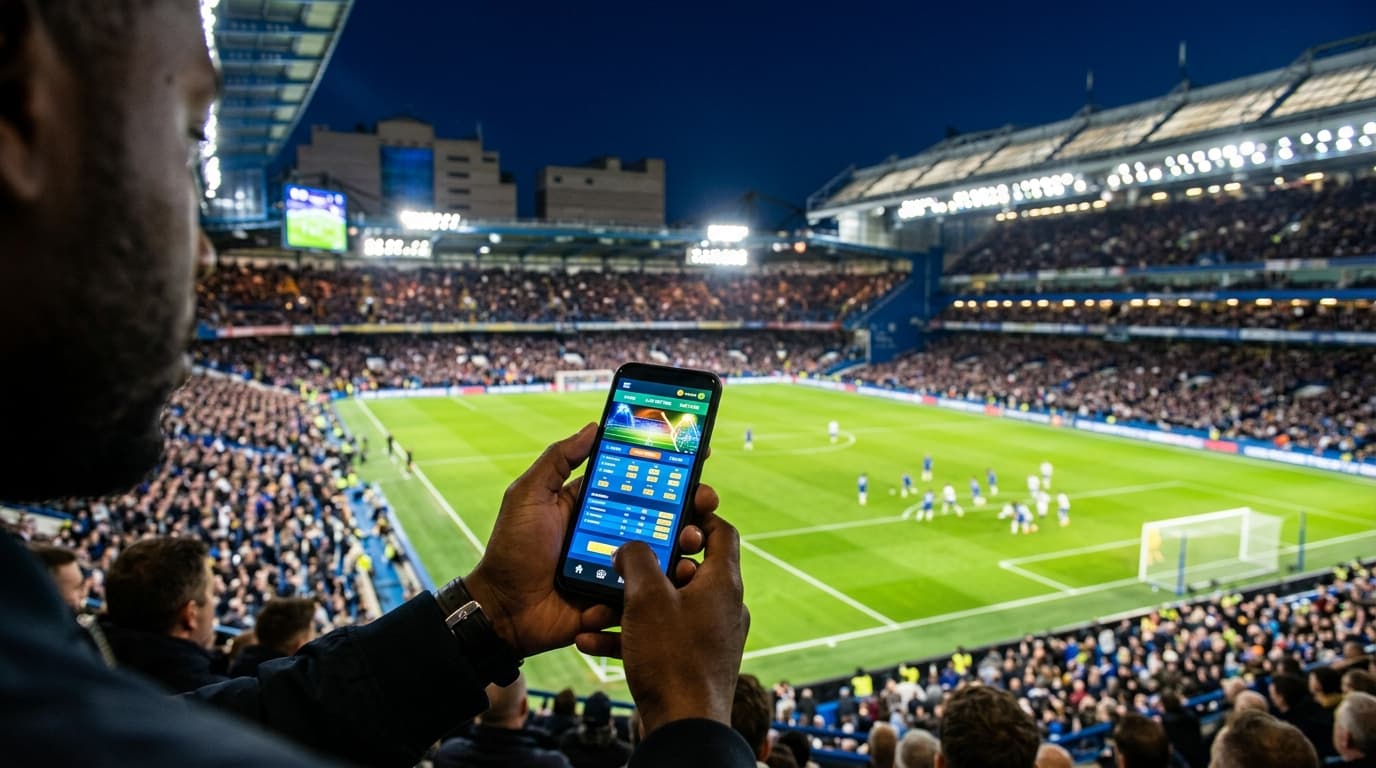
Behind the live betting boom lies significant technological innovation. German operators have invested heavily in robust, low-latency data feeds, advanced statistical models, and AI-driven odds compilation systems to ensure accurate and instantaneous updates. Mobile-first design principles are paramount, with over 85% of all in-play wagers now placed via smartphone applications, highlighting the demand for seamless, on-the-go betting experiences. Features such as instant cash-out options, micro-betting markets, and integrated live streaming have become standard, enhancing user engagement.
Navigating the strictures of the GlüStV treaty, German operators are simultaneously refining their marketing and responsible gaming strategies for in-play. While the treaty imposes limitations on advertising and betting types, operators are finding innovative ways to promote their superior live platforms within these boundaries, focusing on user experience and loyalty programs. Player protection tools, including self-exclusion mechanisms and betting limits, are seamlessly integrated into live interfaces, reflecting the GGL’s emphasis on consumer safety alongside market growth.
Future Outlook: Opportunities and Regulatory Headwinds
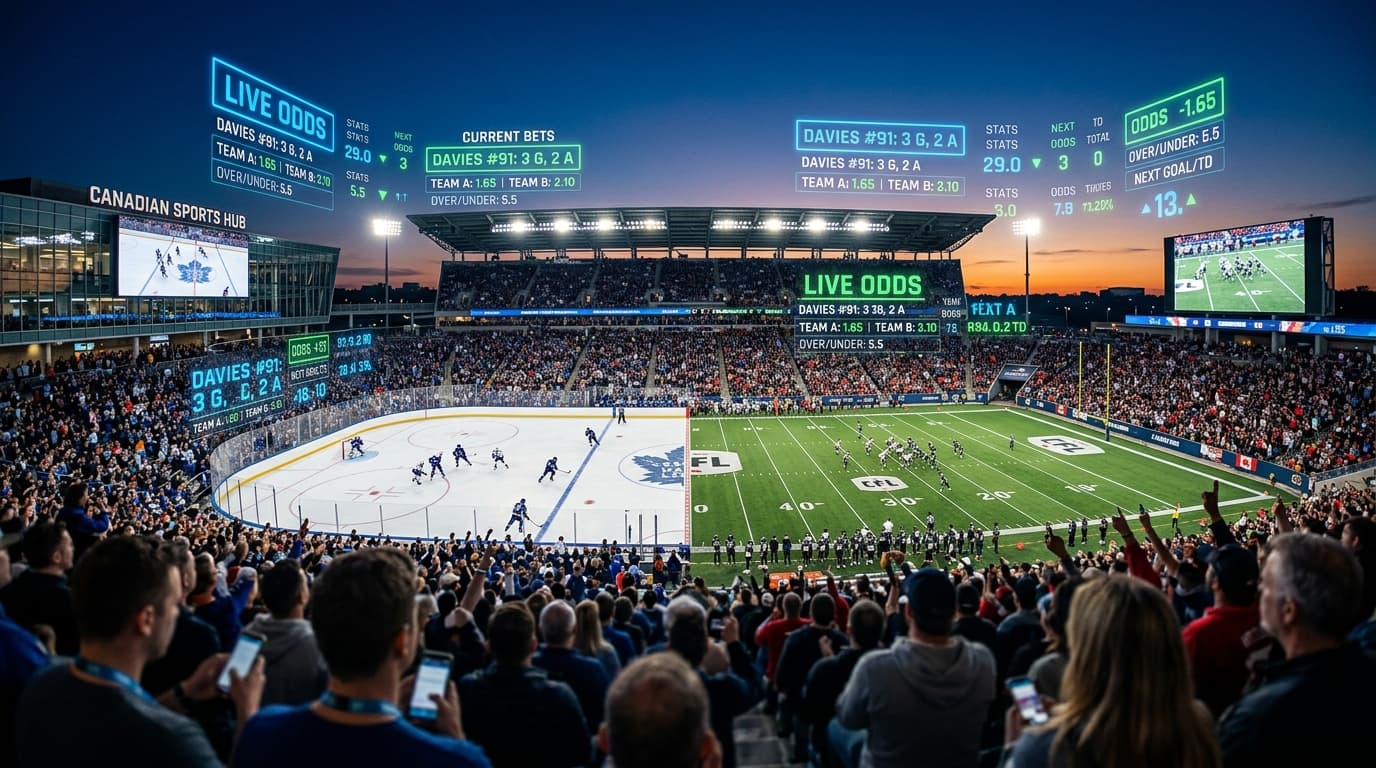
Looking ahead, the momentum for live betting in Germany shows no signs of abating. Major sporting events, such as the upcoming 2026 FIFA World Cup qualifiers, are expected to further boost engagement, with operators preparing enhanced offerings and promotional campaigns. The potential for integrating advanced technologies like augmented reality (AR) into live betting interfaces, offering immersive statistics and real-time player insights, is a key area of research and development for market leaders aiming to capture future growth.
However, the sector is not without its challenges. The cumulative impact of various regulatory measures, including the specific constraints on betting markets and the overarching BRST slot tax that indirectly affects overall operator profitability and investment capacity, requires constant adaptation. While the BRST specifically targets virtual slot machines, the broader financial implications for operators can influence their investment in other verticals, including sports betting. Continuous dialogue between operators and the GGL will be crucial to fostering a stable yet innovative environment that balances consumer demand with rigorous player protection standards.