

The Regulatory Landscape: Stability and Market Capture
Since the full implementation of the GlüStV treaty in July 2021, the German online casino market has progressively moved towards greater stability and robust regulation. The Glücksspielbehörde (GGL) has been instrumental in overseeing this transition, working diligently to combat the black market and ensure licensed operators adhere to stringent player protection protocols. While initial adoption was slower than some predictions, the market has shown significant maturation through 2025, consolidating player activity within the regulated sphere.
Q4 2025 data, released in early 2026, indicates that licensed operators now account for an estimated 68% of the total online casino Gross Gaming Revenue (GGR) in Germany, a substantial increase from just 45% reported in late 2023. This growth translates to an estimated €3.2 billion in annual GGR for the licensed sector in 2025, demonstrating player confidence and the effectiveness of the GGL's enforcement efforts. The consistent application of licensing criteria has fostered a safer, more transparent environment for German players.
Key Performance Indicators and Operator Adaptation
Licensed operators are reporting strong performance across key metrics, particularly in player acquisition and retention, benefiting from increased brand trust associated with GGL regulation. Average monthly active users within the licensed segment grew by approximately 18% year-over-year in 2025, with average player spend showing a moderate increase to around €85 per month. Operators have strategically adapted their marketing efforts to align with new advertising guidelines, focusing on responsible gaming messaging and value propositions rather than aggressive bonuses.
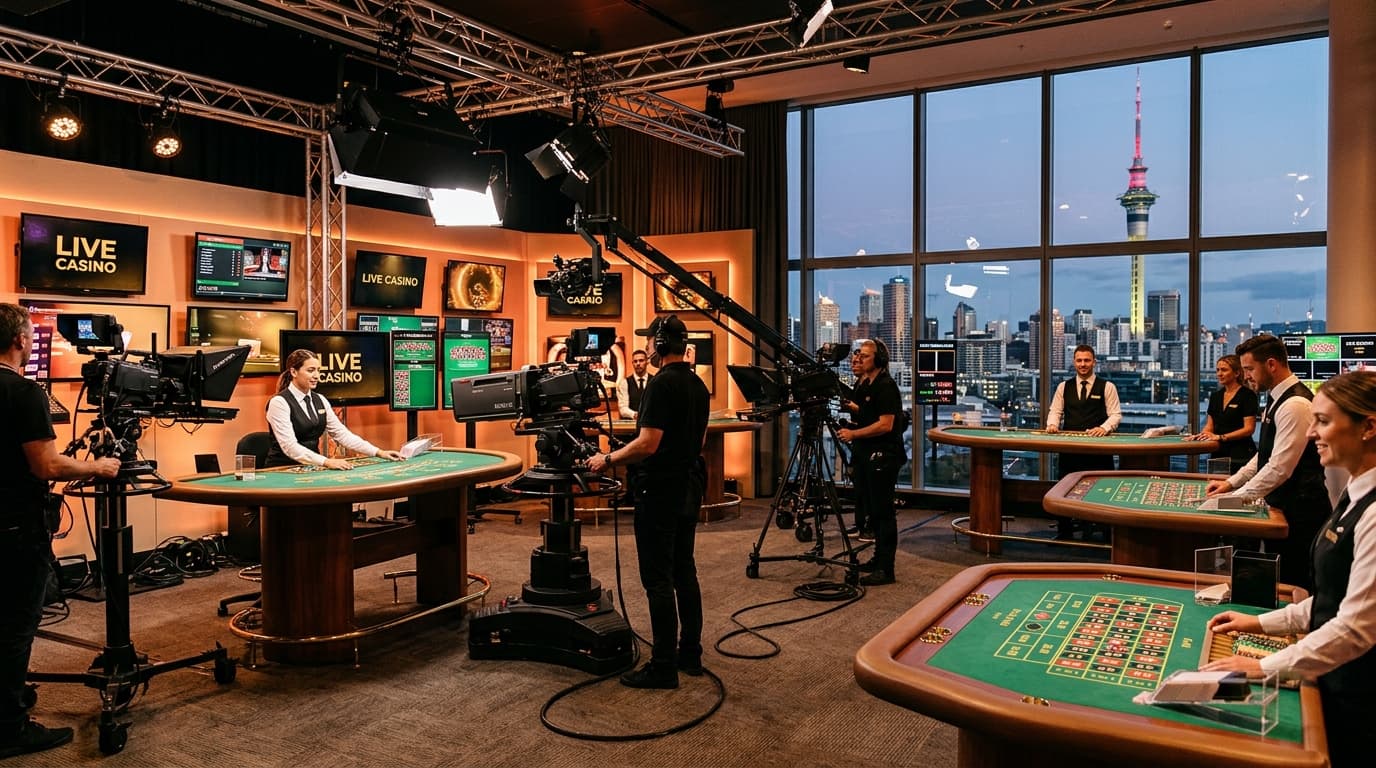
The impact of the 5.3% BRST slot tax on virtual slot machines remains a significant factor influencing operator margins and game development strategies. While initially perceived as a major challenge, many operators have streamlined their operations and diversified their game portfolios to optimize profitability. This includes a greater emphasis on live casino offerings, where the BRST tax does not apply, and a focus on high-engagement, lower-volatility slot titles that resonate with the German player base under the current regulatory framework.
Future Outlook: Consolidation, Innovation, and Persistent Challenges
Looking ahead into 2026, analysts predict continued growth for the German licensed online casino market, with projections indicating a potential GGR increase of 12-15% for the year. This growth is expected to drive further consolidation among smaller operators, as larger, well-capitalized companies leverage economies of scale and advanced technological platforms. The GGL is also anticipated to intensify its efforts against the remaining black market, employing sophisticated data analytics and cross-border cooperation to protect the regulated ecosystem.
Despite the positive trajectory, persistent challenges remain, particularly in attracting the segment of players still engaging with unregulated offerings. The strict deposit limits (€1,000 per month across all licensed operators) and extensive verification processes, while crucial for player protection, can sometimes deter players seeking higher stakes or quicker access. Operators will need to continue innovating their product offerings and user experience to balance regulatory compliance with player appeal, ensuring sustainable growth for Germany's burgeoning iGaming sector.