
GGL Escalates Enforcement Against Offshore Operators
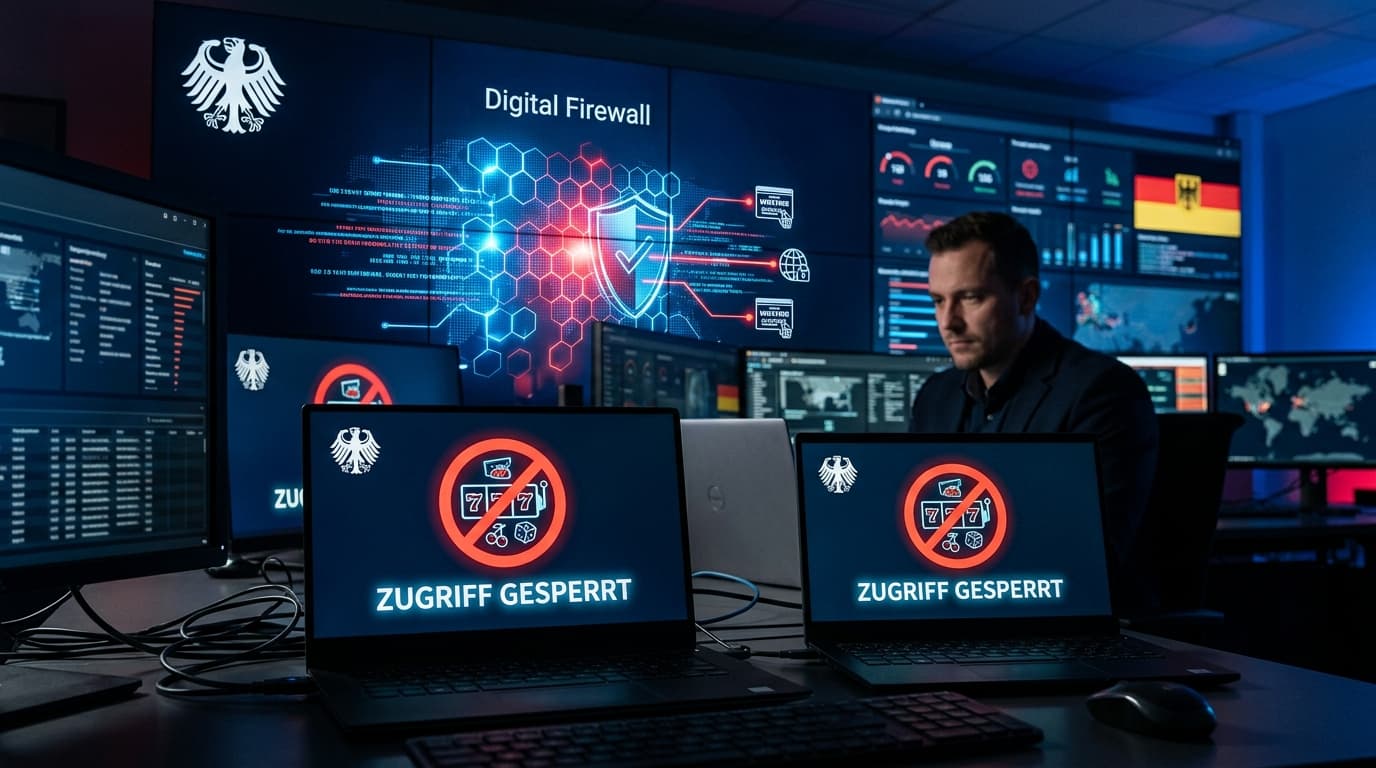
Germany's national gambling regulator, the Gemeinsame Glücksspielbehörde der Länder (GGL), has confirmed that it issued IP blocking orders against 12 unlicensed online gambling operators during March 2026. The blocked sites were primarily based in Curaçao and Malta and had been targeting German players without holding the required GGL license under the Glücksspielstaatsvertrag (GlüStV).
The March enforcement round brings the total number of blocked domains to 94 since the GGL began its systematic blocking campaign in late 2024. German internet service providers are legally required to comply with blocking orders within 14 days of notification.
Which Operators Were Targeted
The GGL has not publicly named all 12 operators, citing ongoing legal proceedings, but confirmed that the blocked sites included both casino and sports betting platforms. Several of the operators had previously received warning letters from the GGL but continued to accept German players and offer services in German language with euro-denominated accounts.
A GGL spokesperson noted that three of the blocked operators had applied for German licenses but were rejected due to failures in responsible gambling compliance and inadequate player verification systems. Rather than withdrawing from the German market, these operators continued to operate illegally.
Effectiveness of IP Blocking
The effectiveness of IP blocking as an enforcement tool remains debated within the industry. Technical circumvention via VPNs is straightforward, and several blocked operators have already migrated to new domains. However, the GGL argues that blocking reduces casual access and sends a clear signal to operators that the German market is actively regulated.
Data from the GGL suggests that traffic to previously blocked sites drops by an average of 65% among German users in the three months following a blocking order. While determined players can circumvent the blocks, the majority of recreational gamblers simply move to licensed alternatives.
What German Players Should Know
For players in Germany, the blocking campaign reinforces the importance of choosing GGL-licensed operators. Licensed sites are required to enforce the €1,000 monthly deposit limit, offer a panic button for immediate 24-hour self-exclusion, and connect to the OASIS nationwide exclusion system. While these restrictions are often cited as reasons players seek out unlicensed alternatives, they exist as consumer protection measures.
Players who have funds deposited at blocked operators may face difficulties accessing their accounts. The GGL advises affected players to contact the operator directly and, if unsuccessful, to file a complaint through the GGL's player protection portal. German courts have generally ruled that players can recover deposits made at unlicensed operators, though the process can be lengthy.