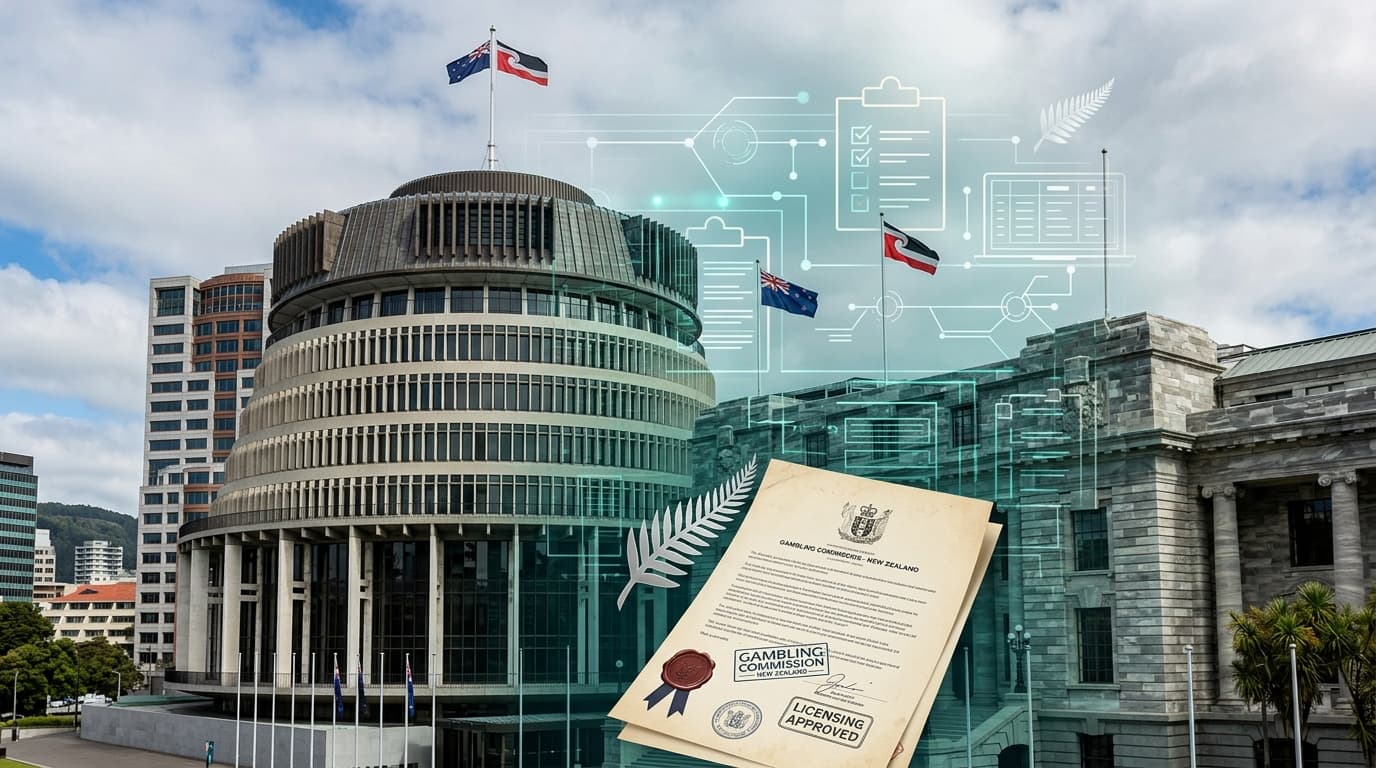


The Regulatory Landscape Shifts
As of April 5, 2026, the New Zealand Department of Internal Affairs (DIA) has significantly ramped up its enforcement of anti-money laundering (AML) and countering financing of terrorism (CFT) obligations within the gambling sector. This aggressive new stance underscores a commitment to combating financial crime and safeguarding consumers from illicit activities. The updated regulatory framework impacts a broad spectrum of gambling operators, encompassing everything from traditional land-based casinos and 'pokies' venues to online betting platforms.
This shift is not merely an advisory; it represents a tangible increase in scrutiny, with the DIA signaling more frequent audits and more stringent reporting requirements for suspicious transactions. Operators failing to adapt to these heightened standards face severe penalties, including substantial fines that could easily run into the hundreds of thousands, or even millions, of dollars. The message from Wellington is clear: compliance is non-negotiable, and the era of lax oversight is definitively over.
Enhanced AML Frameworks and Pokies
The core of the DIA's recent update focuses on strengthening AML frameworks, particularly mandating more robust customer due diligence (CDD) and enhanced transaction monitoring systems. Operators are now required to implement tighter identification protocols for high-value transactions and to lower the threshold for reporting suspicious activities. This proactive approach aims to identify and mitigate financial crime risks more effectively across the entire gambling ecosystem.
These stricter measures also have significant implications for traditional 'pokies' venues, which have historically presented unique challenges in AML compliance. The DIA is ensuring that these operations are now brought fully in line with digital operators, who often already adhere to stringent requirements from jurisdictions like the MGA. The goal is to close any potential loopholes that could be exploited for money laundering, thereby creating a more uniformly secure environment for all gambling activities in New Zealand.
Implications for Offshore Operators and Player Experience
While the DIA's direct jurisdiction primarily extends to domestically licensed entities, these updates send a strong signal to offshore online casinos, including many MGA-licensed platforms that target New Zealand players. Although not directly regulated by the DIA, these operators may find it increasingly beneficial to align their practices with NZ's evolving consumer protection and AML expectations. This alignment could include adapting payment processing methods and enhancing responsible gambling tools to resonate with the DIA's heightened standards.
Ultimately, the DIA's intensified regulatory drive aims to create a safer, more transparent, and trustworthy gambling environment for all New Zealanders. Players can anticipate a future where their financial safety and responsible gambling practices are prioritized more than ever before. This robust compliance landscape is likely to attract more reputable operators to the market, potentially influencing future policy discussions around a domestic online gambling licensing framework for New Zealand.