

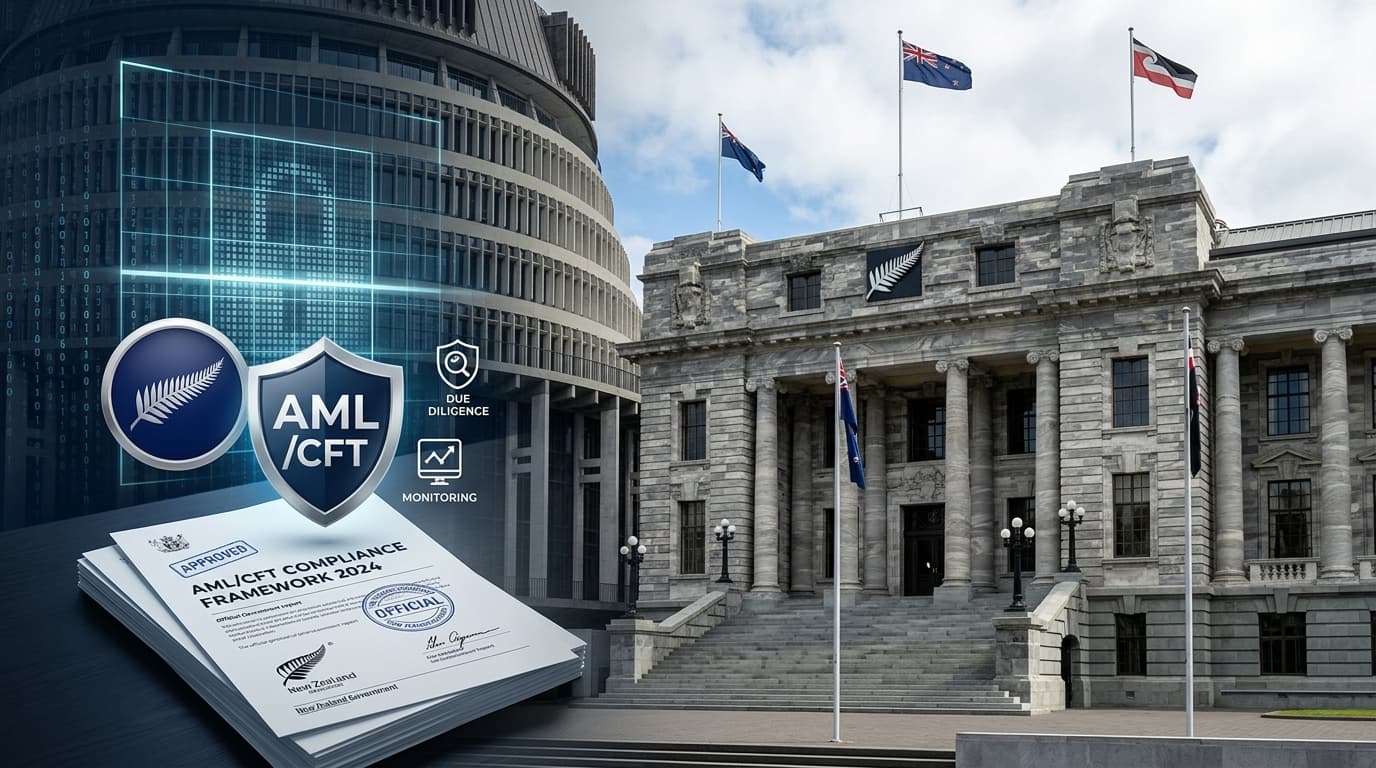
DIA Issues Updated AML Guidance for Gambling Transactions
New Zealand's Department of Internal Affairs (DIA) has published updated anti-money laundering guidance that specifically targets transactions associated with offshore online casinos. The new framework, effective from May 1, 2026, requires New Zealand banks and payment processors to apply enhanced due diligence to deposits and withdrawals linked to foreign-registered gambling operators.
The guidance does not make it illegal for Kiwi players to use offshore casinos — New Zealand law permits individuals to gamble on overseas platforms. However, it imposes stricter reporting obligations on financial institutions that process these transactions, particularly for amounts exceeding $1,000 in a 30-day period.
Why the Crackdown Now
The DIA's move follows a Financial Action Task Force (FATF) review that flagged New Zealand's gambling sector as an area of elevated money laundering risk. The review noted that while domestic gambling operators are subject to robust AML requirements, the absence of a licensing framework for online casinos creates a gap that offshore operators can exploit.
DIA Director of Gambling Compliance Rachel Te Kahu stated that the updated guidance is not intended to restrict player choice but to ensure that financial flows associated with gambling are transparent and traceable. The department has reportedly identified several cases where offshore casino accounts were used to layer illicit funds before returning them to the New Zealand banking system.
Impact on New Zealand Players
For the average Kiwi player depositing modest amounts at established offshore casinos, the practical impact is likely minimal. Banks may introduce additional verification steps for gambling-related transactions, such as confirming the purpose of a transfer or requesting documentation for larger deposits. Players who use e-wallets or cryptocurrency to fund their accounts will largely bypass these checks, as the new guidance primarily targets direct bank transfers and card payments.
However, players who regularly move significant sums between casino accounts and bank accounts should expect increased scrutiny. The $1,000 monthly threshold is lower than many industry observers anticipated, and it could affect mid-stakes players who deposit and withdraw frequently.
The Broader Regulatory Picture
The AML tightening is the latest signal that New Zealand is gradually moving toward a more structured approach to online gambling regulation. While a full licensing framework remains politically distant — the current government has not signaled an appetite for comprehensive iGaming legislation — incremental measures like enhanced AML requirements effectively create a regulatory environment by other means.
Industry observers note that the DIA's approach mirrors strategies adopted by the regulator, which has used financial transaction monitoring as a tool to disrupt unlicensed operators without passing new gambling-specific legislation. Whether this approach is sufficient to address the risks identified by the FATF review remains to be seen.